Thies Lennart Alff
I studied Mechatronics and Theoretical Mechanical Engineering with a focus on Numerics and Computer Science and I am passionate about mobile robotics, programming, applied control, state estimation, embedded programming, and Linux. I would describe myself as having a wide range of interest, which can also be seen in my studies: Mechatronics is inherently interdisciplinary, as it combindes electrical and mechanical engineering. This is rounded off by the specialization in Numerics and Computer Science. I am fascinated by the idea of writing software, implementing algorithms and developing hardware that influences and changes the world around us.
The little guy below is a HippoCampus AUV. It is a small-scale (less than 40 cm in length) mobile underwater robot platform developed at the TU Hamburg. It deserves this place of honor because I spent several years developing and implementing algorithms for underwater robots and validated them on this very vehicle. The graphic is interactive, i.e. you can have a closer look and move it around if you like.
Social


Experience
Research Associate
Research in the domain of small-scale autonomous under water robots. My very first full-time job after finishing my Master’s degree.
- development and implementation of algorithms with C++/ROS2 for underwater robots, such as trajectory generation, trajectory and path control, state estimation or hardware interfaces
- conception, organization and implementation of an underwater robotics course
- supervision of student theses
Student Research Assistant
- visual localization via AprilTags for an autonomous underwater robot
- state estimation sensor fusion with a Kalman filter
- controller design for trajectory control
- writing documentation and tutorials
Formula Student Team Member
Participated in the international student engineering competition Formula Student. Definitely the best and most memorable experience during my bachelor’s degree.
- head of the electronics department (12 members)
- development of the overall concept of an electric formula racing car
- responsible for the electrical scruteneering and design presentations
- acquisition and support of sponsors
Education
Hamburg University of Technology
- Thesis
- An Approach to Agile Maneuvering with Hydrobatic Micro Underwater Robots
Hamburg University of Technology
- Thesis
- Mesh Network for Mapping of Sensor Data
Skills
A non-exhaustive list of hard-skills. When hovering over the highlighted items, they will reveal additional infos.
- ROS/2 Working with ROS1 since 2018 and with ROS2 since 2022 quite extensively. Most code written for ROS is publicly available at GitHub.
- Gazebo
- Docker Heavily relying on it for running ROS inside containers. Also using it for CI with Buildbot, and for many of my self-hosted services such as Nextcloud, paperless-ngx, etc.
- git
- CMake
- LaTex
- Sphinx
- Buildbot I self-hosted a buildbot instance to automatically build and package .deb files for the HippoCampus ROS packages. These packages are provided in an apt repository created with reprepro.
- KiCAD
- Autodesk Inventor
- FreeCAD
- OpenSCAD
- C++ Main contributor to the HippoCampus ROS-Framework, mainly written in C++
- C The very first programming language I learned. I've written quite a bit of code for microcontrollers (ATmega with avr-libc, and ESP32 with esp-idf).
- Python Started to use Python during my bachelor's thesis. Since then it has been my go-to language for all my ROS1 code. After migrating to ROS2 I have dropped it in favour of C++, but still feel very comfortable with it.
- MatLab/Simulink Learned and used it during my studies, mainly for control and mechanics courses.
- Arch Linux My main OS/Linux-Distro
- Ubuntu
- Raspberry Pi OS
- Windows
Sparetime
This is how I like to spend my time when I’m not at work.
Cycling

If you ever see a rider with I BUILD ROBOTS on their jersey, there is a good chance it's me.
Hydroponics
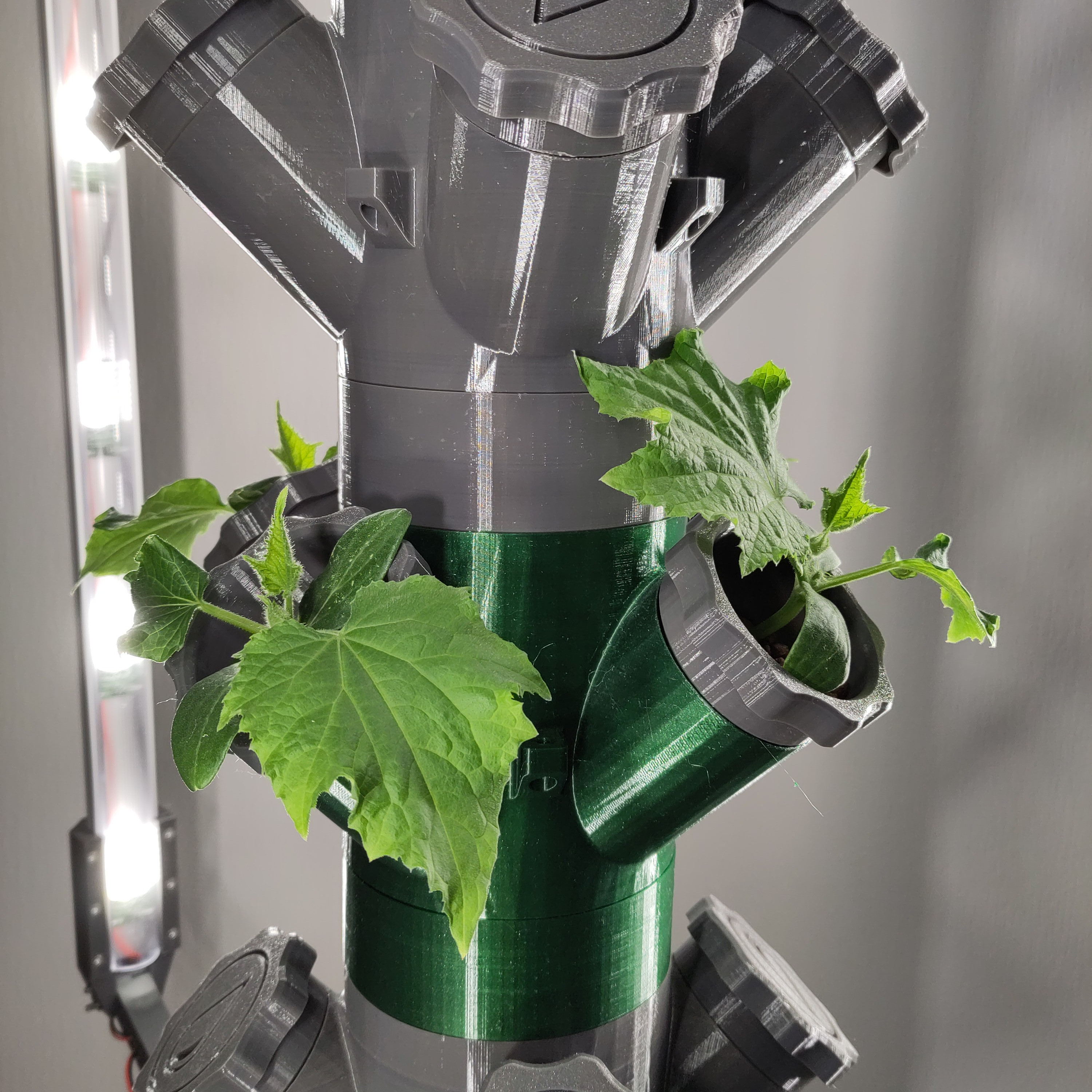
I always loved the idea of automating (or at least continuously monitoring) the cultivation of plants. I started with deep water cultures for tomatoes, chillis, and basil. Currently settled down with a vertical tower design.
PCB Design
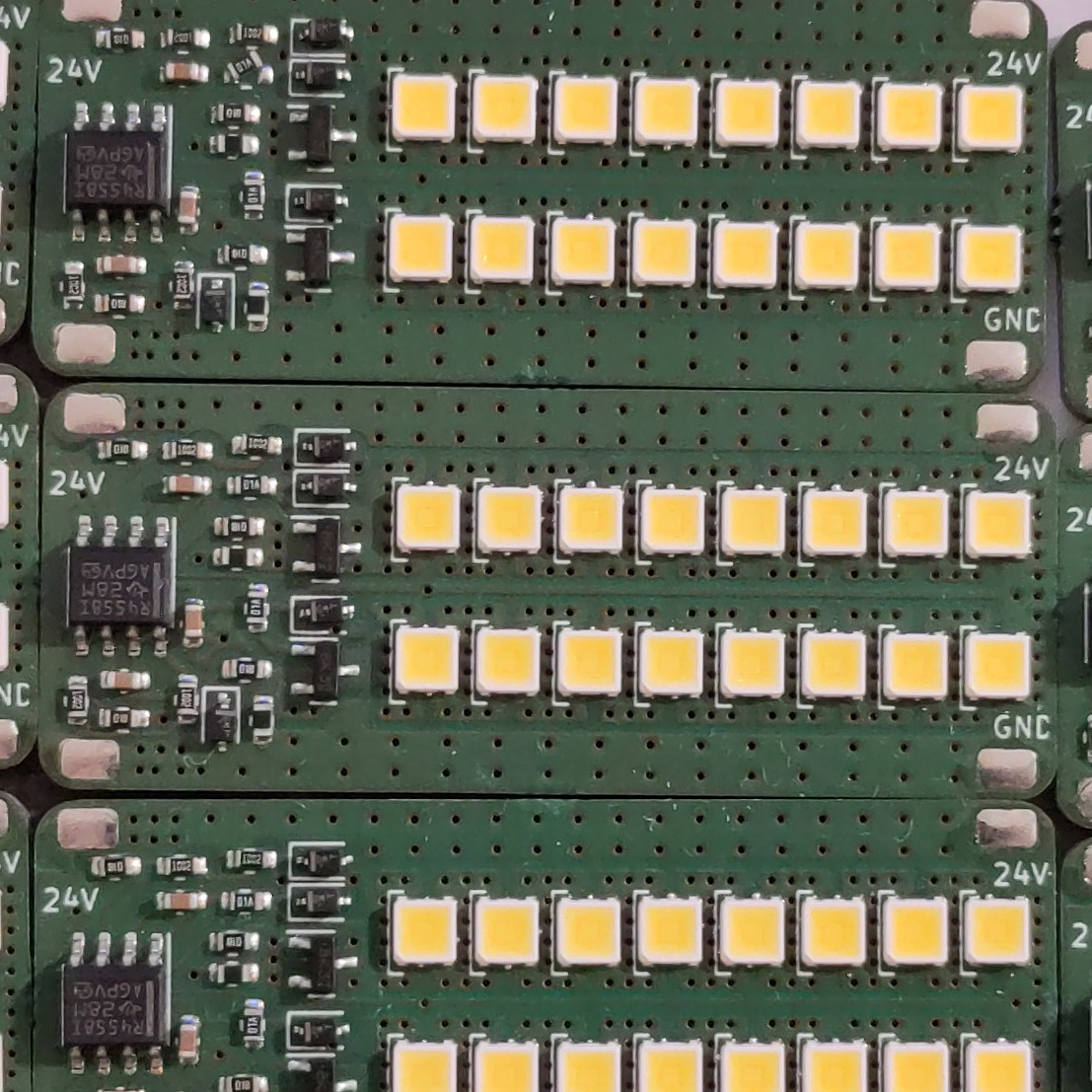
The look of a properly manufactured PCB is so much more enjoyable than a breadboard. Apart from the fact that it is a major restriction to do without SMD components.
3D-Printing

Anyone who owns their own 3D printer knows that 3D printing is mostly about designing and printing things for the 3D printer.